By Zach Parmater, Conservation Tech / Ranger
Chasing walleye in Iowa’s Cedar river system requires an understanding of how these fish feed within current-driven environments. While artificial lures and standard minnows have their place, live creek chubs often prove unmatched when pursuing larger, more selective walleye. Chubs offer durability, lifelike action, and a profile large enough to attract trophy-class fish, making them ideal for stained, flowing waters.
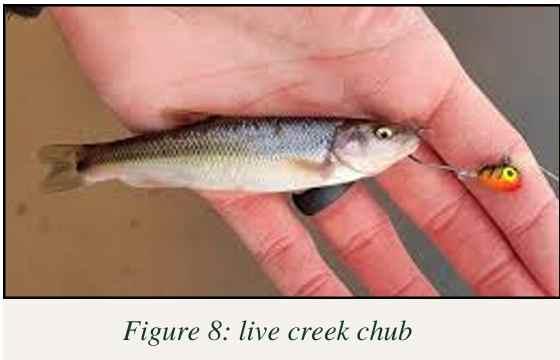
Walleye in rivers are opportunistic predators that position themselves in current breaks, deep pools, seams, and tailwaters where food is delivered directly to them. Creek chubs, abundant in many of Iowa’s tributaries, closely resemble natural forage in these systems. Unlike smaller minnows, chubs offer greater durability in current, more enticing action and a profile big enough to attract trophy walleye. They work particularly well when fished with rigs that allow for natural movement in flowing water. Some of my essential rigging techniques for live chubs are the standard slip sinker rig, modified crawler harness and jig and-chub combination.
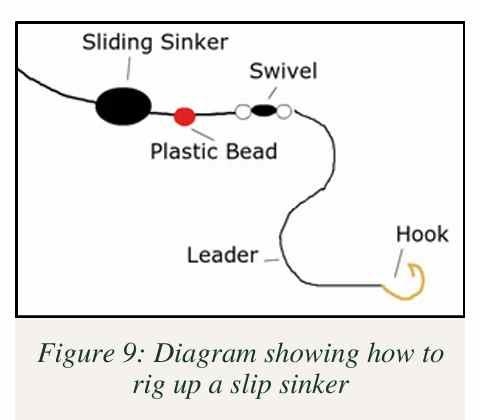
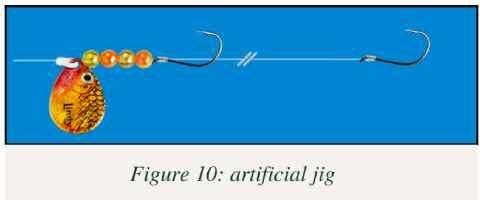
The slip sinker rig is a cornerstone of river fishing and perhaps the most versatile setup for presenting live chubs in moving water. How I build it; Slide a 3/8-1/2 oz egg or bell sinker onto your main line, you can add a small bead to protect your knot, tie on a barrel swivel and attach a 7-foot monofilament or fluorocarbon leader and finish it off with a #2 octopus hook. This configuration allows the weight to anchor on the bottom while the chub drifts naturally just above the bottom, letting walleye pick up the bait without sensing resistance. Although crawler harnesses are traditionally designed for nightcrawlers, they can be adapted for chub presentation, especially in dirty water by adding them to your swivel instead of a leader. Advantages include, added flash and vibration making them highly visible in low-clarity water. They are effective along slow current edges and flats using bright color patterns—such as chartreuse, orange, and gold—excel in Iowa’s typically turbid river conditions.
A jig paired with a chub is one of the most controlled and versatile methods for working river structure. I prefer using 1/8" to 1/4” oz jig head depending on current. The key is to roll, and tumble the bait naturally along seams and eddies. Lighter jigs help maintain subtle, lifelike action that mirrors a struggling baitfish often triggering aggressive strikes. Hook placement and presentation strategy can be the difference in catching fish all day and going home empty handed. Nose-hooking or hooking the chub lightly through both lips keeps it lively and allows for a natural, forward-swimming presentation. This method is best for slip sinker rigs, slip bobbers in slow to moderate current conditions. Tail-hooking is placing the hook near the tail, just below the dorsal fin which induces erratic swimming motions that can trigger reaction strikes. Light jig presents situations where fish are inactive; a tail-hooked chub will put off more vibration and struggle, appealing to walleye feeding on distressed prey. Deep holes, outside bends and channel edges with reduced current or rock riffles and bottom transitions that funnel bait are areas that concentrate forage and offer ambush opportunities for walleye, making them ideal for chub-based presentations.
As always make sure you check regulations and safety considerations before heading out. Confirm you have a valid Iowa sport fishing license, which you need if you plan to collect your own bait before fishing. Review all current Iowa DNR regulations, as length limits and slot restrictions vary between lakes and rivers. Many inland waters include protected slot sizes—for example, 17–22" walleye require immediate release. Always consult the latest rules on the official Iowa Department of Natural Resources website.
Using live chubs paired with the right rigging techniques and proper placement dramatically increases your odds of encountering trophy walleye in Iowa’s river systems. By presenting a natural, lively bait SUMMER POSITIONS NOW AVAILABLE! SUMMER POSITIONS NOW AVAILABLE! We are hiring Conservation Aides and a Naturalist Intern for Summer 2026. These positions are great for those who are interested in conservation, love being outdoors, and enjoy a fun & supportive work environment! Apply today at https://www.bentoncountyia.gov/employment/ Figure 10: artificial jig directly in the strike zone, anglers can unlock consistent success on even the most pressured waters.

Comments
Submit a CommentPlease refresh the page to leave Comment.
Still seeing this message? Press Ctrl + F5 to do a "Hard Refresh".